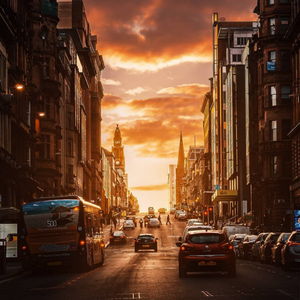
Some spaces stay with us long after we have left them.
It may be a grand hotel lobby, an intimate restaurant, a welcoming boutique or a beautifully considered home. While we often remember how these spaces looked, what truly lingers is how they made us feel.
This feeling is atmosphere.
Unlike individual design elements, atmosphere cannot be attributed to any one feature. It is the result of many carefully considered details working together in harmony. Light, texture, colour, sound and fragrance each contribute to the experience of a space, often without us consciously noticing.
The most memorable environments understand this balance. They are not designed simply to be seen. They are designed to be experienced.
More Than Interior Design
Beautiful interiors can certainly leave an impression, but atmosphere goes beyond appearance alone.
Two spaces may feature similar furnishings, colours and layouts, yet feel entirely different when experienced in person. One may feel warm, inviting and comfortable, while the other feels impersonal despite its visual appeal.
The difference often lies in the details that cannot be captured fully in a photograph.
The way natural light moves through a room throughout the day. The texture of materials under hand. The gentle background sound of a busy café or the quiet calm of a hotel lounge. These elements work together to shape how we experience a space and how we remember it.
The Role of Light
Light is one of the most influential yet often overlooked elements of atmosphere.
The world's finest hotels rarely rely on bright overhead lighting alone. Instead, they create layers of illumination that guide the eye and establish a particular mood. Soft lighting can encourage relaxation and comfort, while brighter spaces often feel energising and vibrant.
The changing quality of daylight also plays an important role, bringing a space to life as the hours pass.
Thoughtful lighting helps create depth, warmth and character, transforming a room from simply functional to genuinely inviting.
Texture and Materials
Atmosphere is not only visual. It is also tactile.
Natural woods, stone, linen, leather and carefully selected fabrics all contribute to the overall character of a space. These materials introduce depth and authenticity, helping environments feel more comfortable and considered.
The most memorable interiors rarely rely on a single statement piece. Instead, they combine a variety of textures that create balance and visual interest without overwhelming the senses.
Sound and Silence
Sound has a remarkable influence on how we perceive an environment.
A busy restaurant may feel lively and energetic, while a luxury spa seeks to create a sense of calm through quietness and subtle ambient sound. Hotels carefully consider acoustics within public spaces, ensuring guests feel comfortable rather than overwhelmed.
Even within the home, sound contributes to atmosphere. A peaceful reading room, a welcoming kitchen or a cosy living space each benefit from a different sensory character.
The Finishing Touch: Fragrance
Fragrance is often the final layer that brings everything together.
While lighting, design and materials create the visual and physical framework of a space, scent introduces something less tangible. It has the ability to influence mood, evoke memories and create an immediate emotional connection.
This is one of the reasons many of the world's leading hotels incorporate signature scents into their guest experience. Fragrance helps establish identity, reinforces atmosphere and creates a lasting impression that remains long after a visit has ended.
Within the home, fragrance performs a similar role. A carefully chosen scent can enhance the character of a room, complement its design and help create a feeling that reflects the way you wish the space to be experienced.
Creating Atmosphere at Home
Creating atmosphere does not require a complete redesign.
Often, it is the thoughtful combination of small details that has the greatest impact. A well-placed lamp, natural materials, carefully chosen artwork, fresh flowers and a considered fragrance can completely transform how a room feels.
The objective is not perfection. It is creating an environment that feels welcoming, comfortable and uniquely your own.
The most memorable homes, like the finest hotels, are those that engage the senses and encourage people to linger a little longer.
Atmosphere Is What People Remember
Long after specific design details have faded from memory, atmosphere remains.
We remember how a place made us feel. The warmth of a welcoming hotel lobby. The comfort of a favourite restaurant. The sense of calm found within a beautifully considered home.
Atmosphere is rarely created by a single decision. It emerges from the careful combination of many elements working together in harmony.
Fragrance is often the final detail.
Not because it is the most obvious, but because it has the power to transform how a space feels and how it is remembered.
The Concierge Journal by Ollie & Sebastian explores the relationship between fragrance, atmosphere and memorable spaces.